Our history
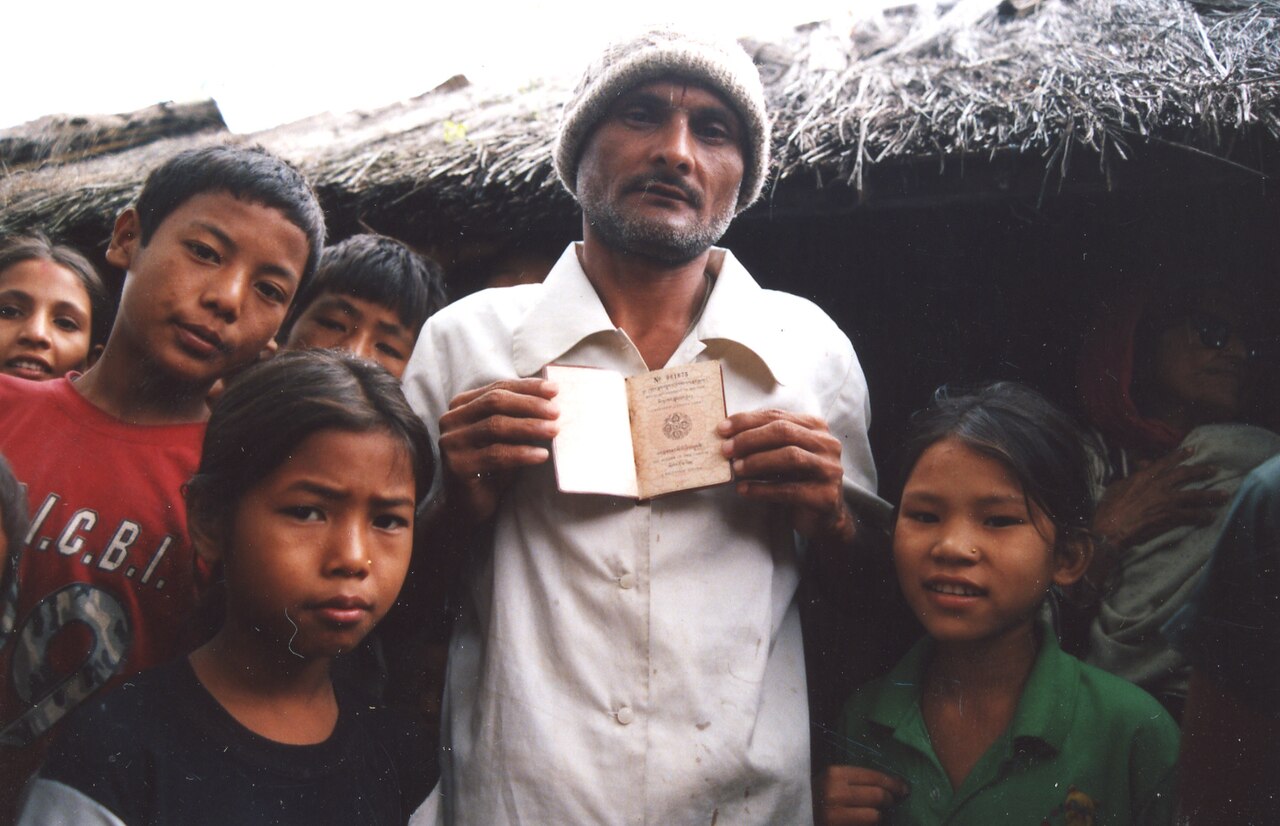
There is no single Bhutanese refugee story. Experiences include life in Bhutan, displacement, years in Nepal, resettlement, and hopes of return.
Before the 1990s
Home in southern Bhutan
Nepali-speaking communities lived in southern Bhutan over generations. Citizenship rules, national identity policies, language, dress, and belonging became central points of conflict. The causes and responsibility for displacement are politically contested; accounts from refugees, Bhutan, Nepal, and independent researchers should be read together.
1990–1993
Displacement to Nepal
Bhutanese refugees began to arrive in Nepal in 1990–91; UNHCR describes the main arrivals as an influx in those years. A United States health agency recorded 67,000 arrivals from February 1991 through July 1992, and by 1993 more than 100,000 people had fled or been forced out of Bhutan.
1990s–2000s
Years in the camps
People built schools, community programs, cultural life, and family networks while a durable solution remained unresolved.
2007–2016
Third-country resettlement
UNHCR reports that more than 113,500 Bhutanese refugees were resettled from Nepal to eight countries between 2007 and 2016.
Today
Many paths forward
People now live across Nepal and the world. Hopes differ: some seek safety and opportunity where they are, some want family reunification, and some continue to hope for a safe return.
Always
History through testimony
Oral histories, photographs, letters, songs, and family records can preserve the details that timelines miss—when contributors choose to share them.