
01
Learning
Schools in the camps, language classes, scholarships, vocational training, and how young people continue their education after moving abroad.
Daily life in the refugee camps of eastern Nepal: the people, schools, work, traditions and friendships that made them communities.
Daily life can include study, work, family care, religious and cultural gatherings, sport, arts, small businesses, and mutual support. Experiences differ between people, families, and generations. A single story cannot represent everyone.
The stories on this site come from the people who lived them. Names, photos and places appear only with permission.
If you live in a camp or work with a local organization, tell us about current schools, healthcare, disability support, work and community activities. Send a suggestion
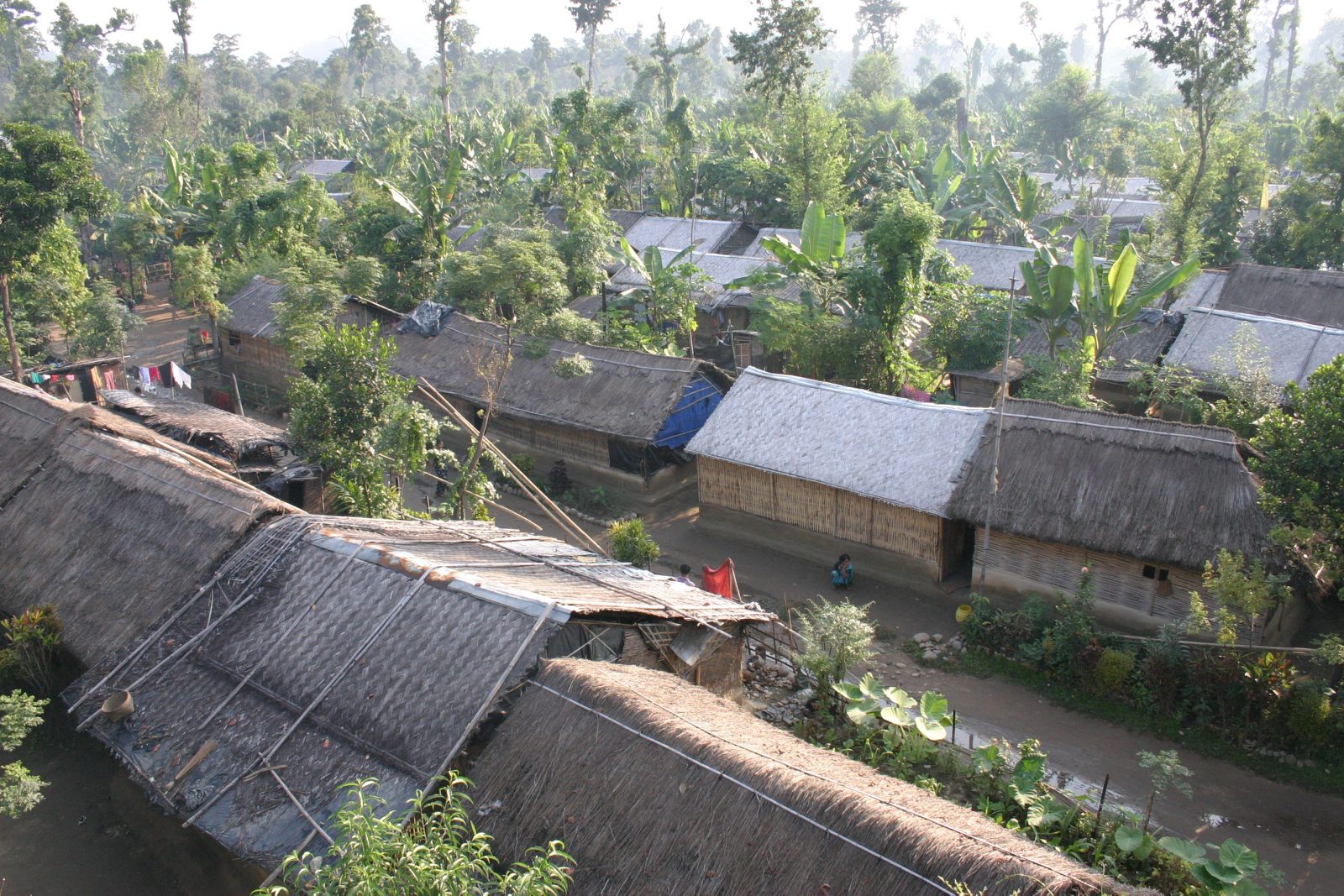
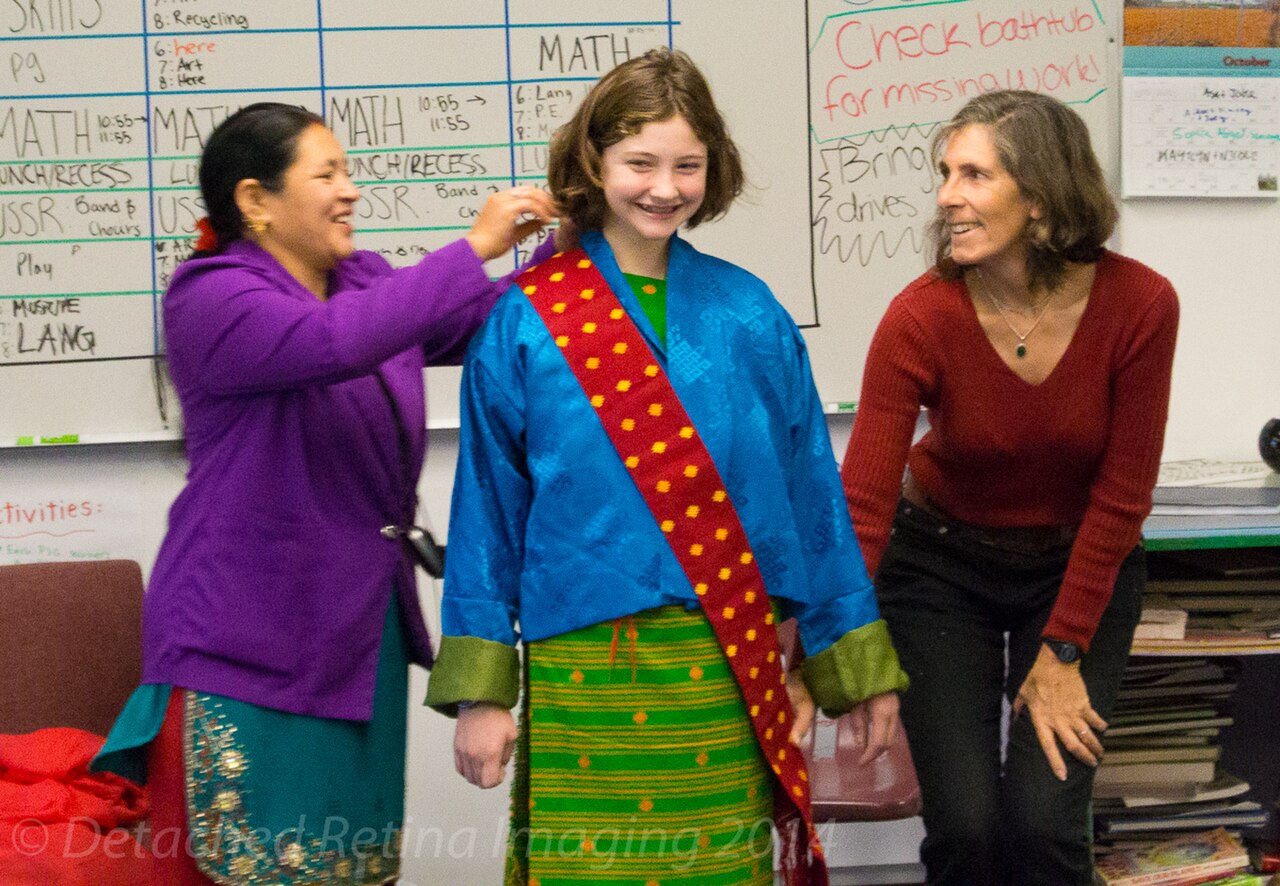
These photographs show Beldangi-II in 2019 and a Bhutanese refugee center in Nepal in 2014. They are historical images and do not show the camps as they are today.
Bhutanese refugees were originally settled in seven camps across Jhapa and Morang districts. As the population changed through resettlement, the camp network was consolidated; these names describe the historic locations, not seven current camps.
Camp list: Minnesota Department of Health and UNHCR/WGR newsletter.
Families endured displacement, years of uncertainty, and the difficulty of living far from home. Refugees also created schools, youth programs, cultural and religious gatherings, livelihoods, friendships, and mutual support. Many kept hoping for safe return or a future with more choices; others focused on building new lives through resettlement. No single story represents everyone.
For a record of youth photography, writing, and arts in the camps, see PhotoVoice: Voices in Exile and the camp archive.
Schools in the camps, language classes, scholarships, vocational training, and how young people continue their education after moving abroad.
Skills, small businesses, paid and unpaid work, and how refugees support their households and the communities around them.
Clinics, hospitals, referrals, mental health, disability services, and accessible transport.
Lhotshampa communities are diverse. Many people identify with Hindu traditions; Buddhist and Christian communities are also represented. Practices vary.
Background: EthnoMed cultural profile and Minority Rights Group.
Camp maps, old photographs, gathering places, and the memories people want future generations to keep.
How elders, adults, and young people remember the past, live in the present, and think about return, resettlement, or other futures.
People who lived this history know it best. If a date, a number, a name or a description here is not accurate, tell us what is wrong and what it should say.